

Seniorsafe®
Safety in Structures and Senior Residences

Seniorsafe® Program:
Integrated Safety Assessment
In Portugal, the elderly population continues to grow: according to INE/PORDATA, in 2022 approximately 23% of residents were over 65 years old. To support active and safe aging — as advocated by the World Health Organization — Lemonsafe® developed the Seniorsafe® program .

Seniorsafe® , and private residences used by elderly people. The assessment combines general observation of usage conditions, document analysis, and verification of program-specific criteria, adjusted to the size and nature of the space. It covers fall prevention, accessibility, safe use of facilities, emergency management, equipment safety, resident protection, and preparedness for extreme weather events.
The assessment allows for the identification of observed situations and shortcomings in the organization of security, without replacing technical inspections, clinical evaluations, or legally mandated controls and regulatory actions.
Seniorsafe® is a proprietary integrated assessment program not accredited by IPAC. It does not constitute a certificate of conformity, a normative technical inspection, a clinical assessment, licensing, or an absolute guarantee of the safety of the facilities or residents. Specific technical inspections, when applicable, are independent services subject to their respective regulations.
Advantages of assessment
Why assess with Seniorsafe®
✔ Trust from residents and families
: Demonstrates the organization's commitment to protecting the elderly.
✔ Fall and accident prevention:
Helps identify hazards in the space and preventative measures.
✔ Management support
: Provides objective information to define safety and maintenance priorities.
✔ Emergency preparedness
Helps organize the response, including protecting the most vulnerable residents.
✔ Transparent communication:
Gathers evidence and results in a report, without claiming certification.
The 20 Seniorsafe® areas
Reference framework for the ERPI (Residential Structure for the Elderly) modality. For day centers and private residences, the inapplicable criteria and areas are expressly excluded or adapted.
Click on each area to see what is being evaluated.
01Organization and Security Management
Responsibilities, safety procedures, documentation, incident logs, anomaly monitoring, and risk prevention organization.
02Security of Buildings and Common Areas
General conditions of circulation in corridors, staircases and common rooms, lighting, unevenness, obstacles and evidence of maintenance.
03Accessibility and Mobility
General conditions regarding access, ramps, handrails, elevators and routes used by people with reduced mobility, including applicable documentation.
04Fall and Accident Prevention
Environmental hazards, organization of preventive measures, records of falls and accidents, and follow-up of incidents, without individual clinical assessment.
05Bedrooms and Rest Areas
General conditions of use, circulation, furniture, accessibility and availability of means of contact and support for residents.
06Sanitary Facilities and Personal Hygiene
General conditions for access to and use of toilets and showers, handrails, flooring, privacy, and safe assistance procedures.
07Support and Transfer Equipment
Inventory, instructions, safe use and maintenance records for articulated beds, wheelchairs, walkers and transfer equipment; applicable inspection documentation.
08Fire Safety
Existence and management of applicable MAPs, training, drills, safety records and maintenance documentation for SCIE systems.
09Evacuation and Emergency Management
Assisted evacuation procedures, responsibilities, meeting points, drills, communication, and continuity of essential services.
10Safety in the face of extreme weather events
Safety in the face of extreme weather events and climate adaptation. Preparedness for extreme heat and cold, storms, floods, and wildfires: alerts, protection of vulnerable residents, and continuity of services in the event of power outages.
11Access Control and Resident Security
Organization of entrances and exits, authorized visitors and access, resident protection, and procedures in case of absences or security incidents.
12Communication and Call and Alert Systems
Availability of call and alert methods, maintenance records, and organization of responses to requests for assistance, including nighttime periods when applicable.
13Food and Food Security
Hygiene and food safety procedures, HACCP, storage, temperatures, traceability, allergens, and safe organization of meal distribution.
14Environmental Hygiene, Laundry and Infection Prevention
Procedures and records for cleaning, disinfection, laundry treatment, waste management, and organizational infection prevention.
15Water Quality, Indoor Air Quality and Legionella
Evidence of water and air quality control, HVAC maintenance, ventilation, and management of Legionella prevention plans and records.
16Safety of Care and Medications
Organizational Safety of Care and Medications. Existence of procedures and records for the safe storage, access, identification, and management of medications and the organization of care, without evaluating prescriptions or treatments.
17Activities, Leisure and Travel
Organization of activities and supervision, general conditions for the use of leisure spaces, outings and transportation, maintenance and documentation of existing equipment.
18Worker Safety and Training
Evidence of occupational risk management, information, training, safe work procedures, PPE and applicable verification records.
19Maintenance and Technical Inspections of Facilities
Inventory, maintenance plans and records, applicable inspection reports and anomaly follow-up, without a new technical compliance decision.
20Rights, Privacy and Protection of Residents
Policies and procedures for protecting dignity and privacy, preventing and reporting neglect or abuse, and communication mechanisms, respecting confidentiality.
Application methods
The assessment adapts to the type of structure and how it is used.
Residential Structures (ERPI)
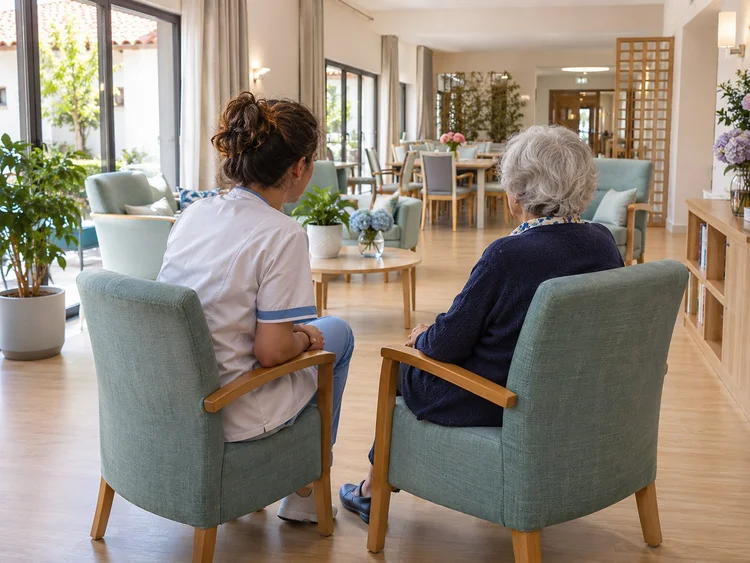
Reference program covering 20 areas, subject to applicability verification, including rooms, continuity of organizational care, and assisted evacuation.
Day Centers
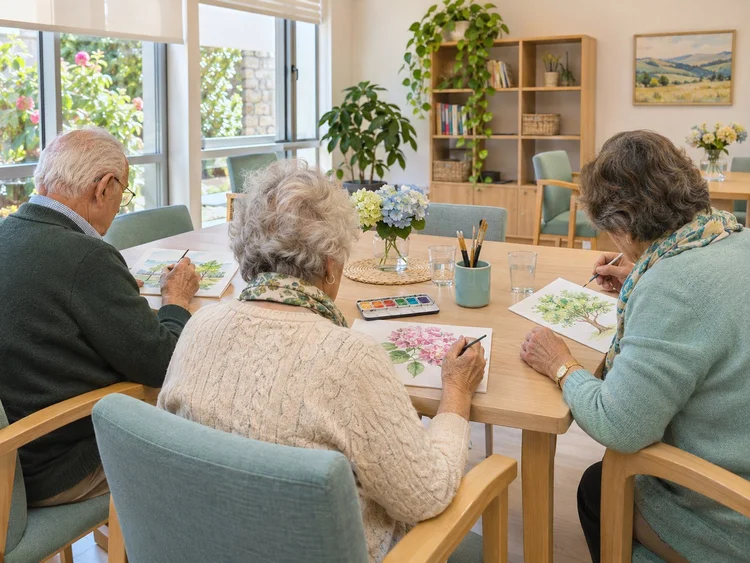
Program adapted for daytime services; excludes accommodation and overnight stay criteria that are not applicable and maintains access, food safety, transportation, and emergency management.
Private Residences
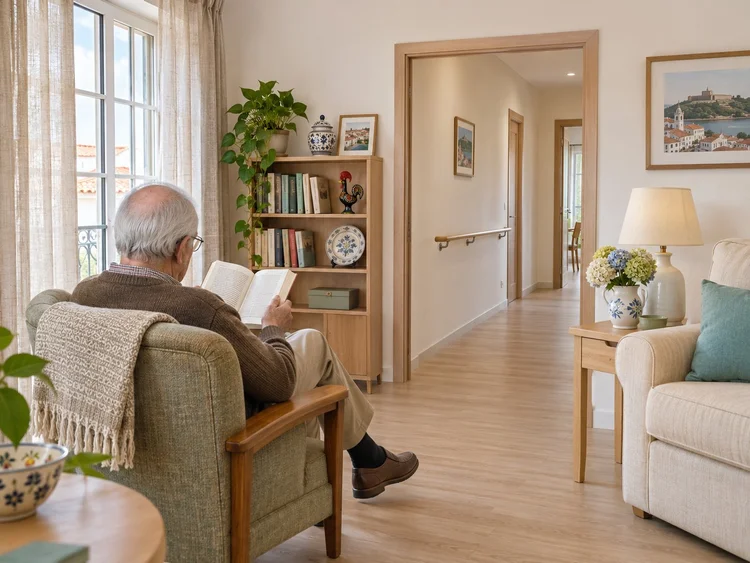
Simplified and specific assessment of housing: accessibility, falls, general conditions, facilities, communication and emergency preparedness.
How does the Seniorsafe® assessment proceed?

1. Application and scope
The responsible entity describes the space and the intended service.
Lemonsafe®, and limitations of the assessment.

2. Document preparation
The documents relevant to the applicable criteria are requested, without demanding documentation that does not exist for the typology.
For example, safety procedures, maintenance records, and technical reports.

3. Visit and verification
The evaluating technician observes the general conditions of use of the spaces and verifies the existing evidence.
The visit does not include standard tests or measurements.

4. Evaluation Report
Issuance of a non-accredited report, outlining scope, criteria, evidence, results, limitations, and a record of identified situations.
The client receives the complete documentation in digital format.
Frequently Asked Questions
-
No. It is a proprietary integrated assessment program from Lemonsafe®, not accredited by IPAC.
-
No. Mandatory or regulatory technical inspections, when applicable, remain independent.
-
No. The evaluation focuses on organizational evidence, without assessing clinical decisions, prescriptions, or treatments.
-
No. When documentary evidence is required, adequate evidence from competent authorities is accepted.
Seniorsafe® Assessment Report
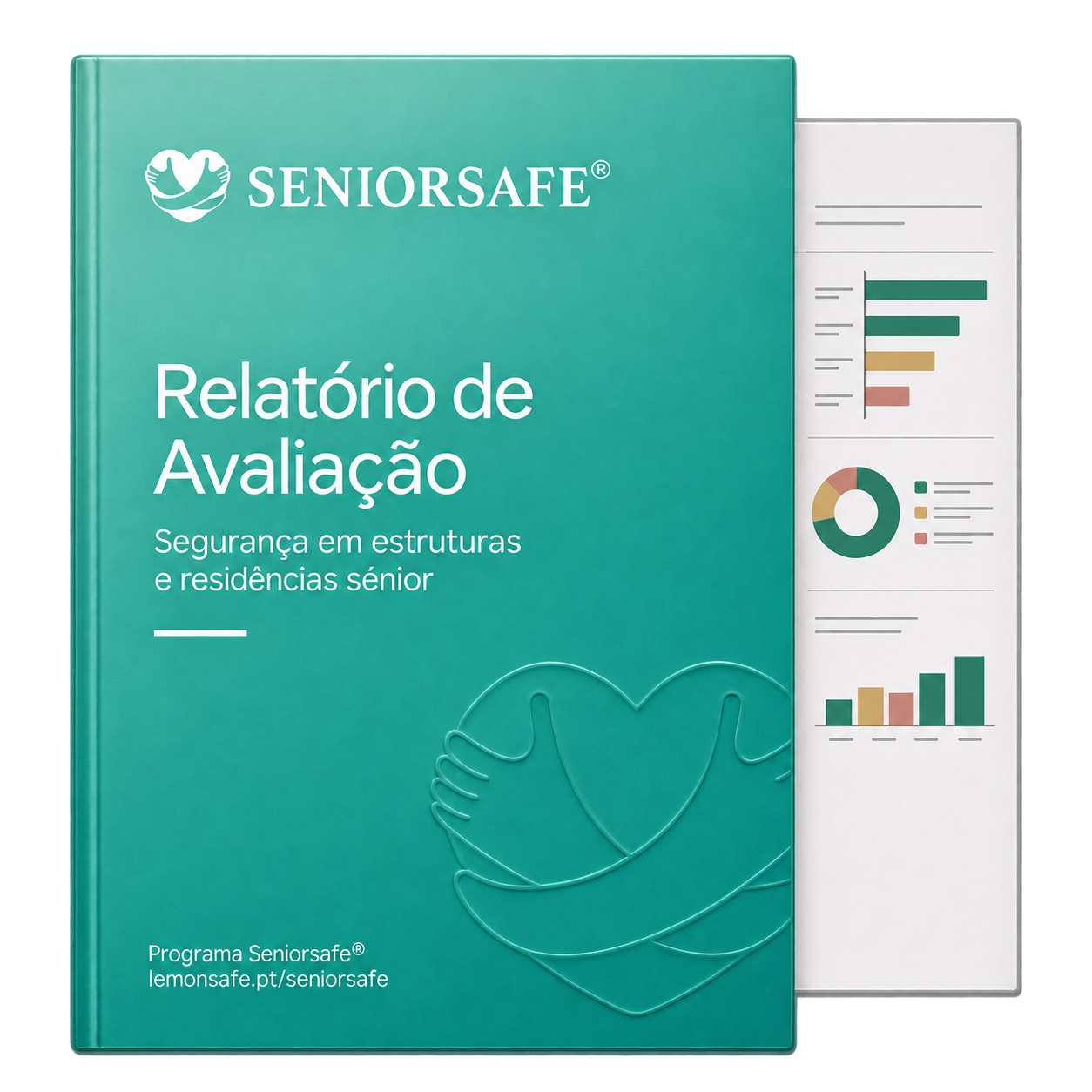
Each evaluation results in a Seniorsafe® Assessment Report,not accredited by IPAC. Any future recognition will depend on the formal approval of the program regulations, including criteria, decision rules, scope, validity, complaints, suspension, and withdrawal.
Are you looking to assess the safety of your building or residence?
Click the button below to request a Seniorsafe® assessment proposal.
Get a free quote
We will be brief in your return.