

Hotelsafe®
Integrated Hotel Security
Assessment Program

Hotelsafe® Program:
Independent assessment of general safety conditions.
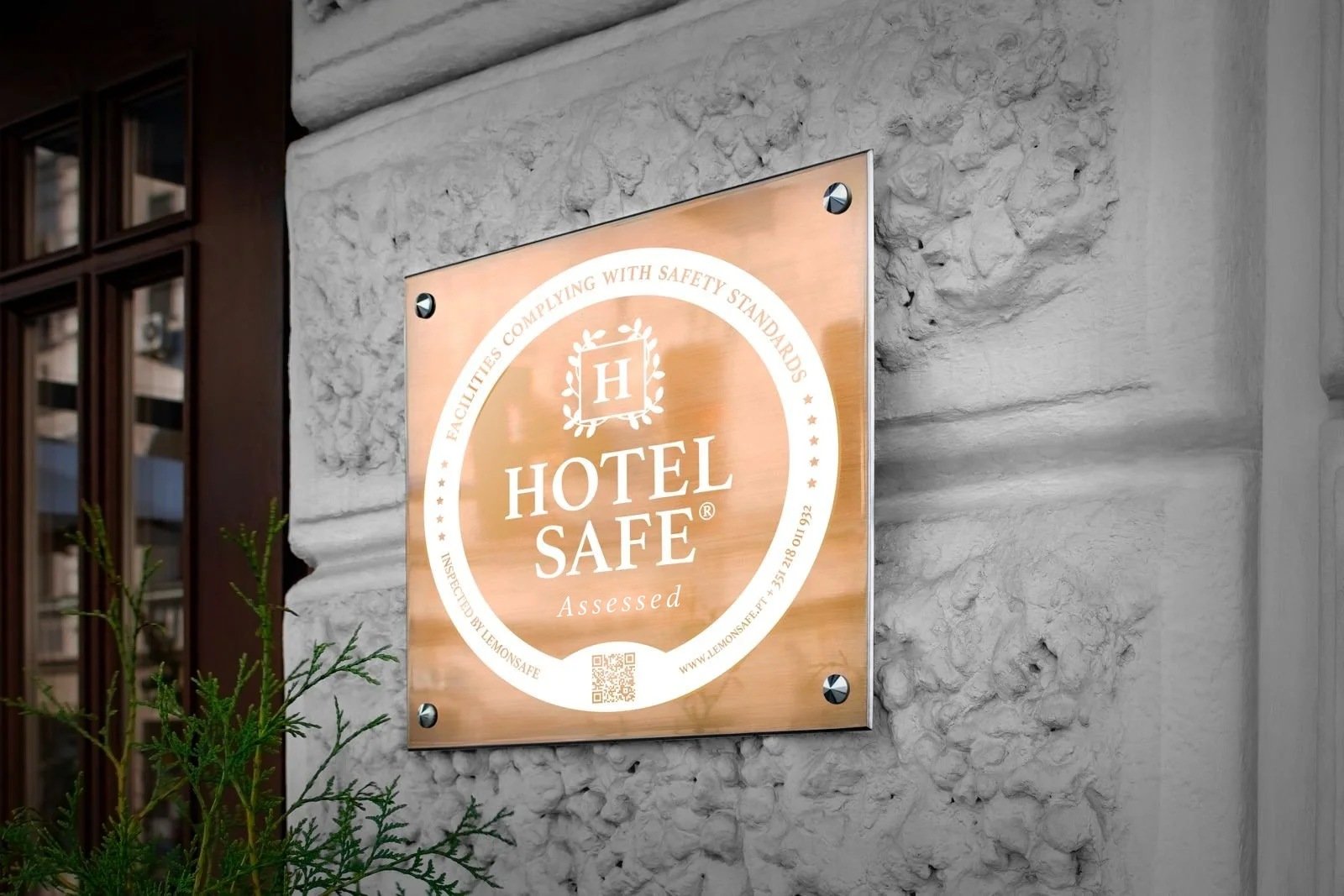
Illustrative image of the Hotelsafe® sign — recognition model not yet available.
Hotelsafe® is Lemonsafe® 's own program for integrated assessment of the general safety conditions of hotel units, through observation of spaces, security organization, and verification of documentary evidence.
It covers areas used by guests, employees, and visitors—including aquatic, recreational, and sports areas, where applicable—according to the establishment's facilities and activities. The applicable criteria depend on the type of establishment, the inventory of facilities, and the scope previously agreed upon.
The result is an evaluation report, with the evidence collected and the identification of the criteria verified.
Nature of the service: proprietary integrated assessment program. Program not accredited by IPAC. Does not constitute certification nor does it replace legally required technical inspections.
Advantages of evaluation
Why evaluate with Hotelsafe®
✔ Guest confidence
demonstrates the unit's attention to security management.
✔ Risk prevention
Helps identify risk situations and documentation deficiencies.
✔ Support for hotel management:
Provides objective information to prioritize the prevention and monitoring of anomalies.
✔ Integrated overview
: Brings together in one report the areas relevant to the safety of the establishment.
✔ Transparent communication
: Allows you to communicate the scope and results of the assessment without claiming overall certification.
Assessment areas:
The 25 Hotelsafe® areas
The assessment covers areas applicable to the type, size, and services of the hotel unit, through general observation of the spaces and verification of documentary evidence. Tap on each card to see what is considered.
01Exterior Access
General conditions regarding access to the unit, pedestrian routes, exterior circulation, obstacles, signage, and relevant maintenance records.
02Parking and Parking Area
Organization of parking, vehicle and pedestrian circulation, reserved spaces, signage and general conditions of use.
03Reception and Security Center
Organization of the reception and security center, guest information, means of communication, responsibilities, and incident records.
04Emergency Exits
General observation of the unobstructed path and identification of emergency routes and exits, evacuation information, and evidence of applicable checks.
05Accessibility and Reduced Mobility
General conditions for circulation and use by people with reduced mobility, access, ramps, supports and available information.
06Elevators
General terms of use, user information, maintenance records, applicable inspections and procedures in case of malfunction.
07Electrical Installations
Visible conditions of use, access to electrical areas, maintenance records and documentation of applicable technical checks.
08Ventilation Systems
Organization of ventilation and air conditioning maintenance, general conditions of use, and documentary evidence of air quality control.
09Lighting
General visibility conditions in rooms, common areas and pathways, including records relating to emergency lighting.
10Plumbing
General conditions for the use of water networks, maintenance records, incident reports and evidence of water quality control, where applicable.
11Food Storage
Organization and hygiene of food storage areas, product separation, preservation, temperatures, traceability, and applicable records.
12Food Preparation
General conditions for the use of kitchens, hygiene and food safety procedures, HACCP, allergens, food handling and equipment maintenance records.
13Laundry
Organization of spaces, circulation, safe use of equipment, cleaning products, separation of laundry, and maintenance records.
14Machines
Inventory of machinery and work equipment, operating instructions, access management, maintenance records, and applicable inspection reports.
15Leisure, Sports and Wellness Areas
Management of the use of swimming pools, gyms, fitness rooms, tennis and padel courts, goals, backboards and recreation areas; information for users, maintenance and evidence of applicable technical inspections.
16Fire Safety
Existence and management of applicable self-protection measures, safety records, training, drills, and maintenance documentation for fire safety systems.
17Emergency Procedures
Organization of emergency response, responsibilities, communication, evacuation or confinement procedures, meeting points and drill records.
18Information Panels
Availability, visibility and consistency of safety information and warnings, guest guidelines and identification of spaces.
19Transportation
Organization of available transport, vehicle and driver documentation, boarding and disembarking rules, and applicable records.
20Rooms
General conditions for the safe use of rooms and sanitary facilities, circulation, furniture, emergency information and incident reporting.
21Waste Management
Organization of waste separation, storage and collection, identification of containers, general conditions of disposal areas and records.
22Technical Areas
Organization of technical spaces, restricted access, hazard identification, signage, maintenance documentation, and applicable specialized inspections.
23Access Management
Procedures for controlling entries and exits, visitors, keys and cards, authorized access, and security incident logs.
24Management Procedures
Responsibilities, safety management procedures, incident logs, anomaly tracking, and maintenance and prevention evidence.
25Safety in the face of extreme weather events
Preparedness for extreme heat, storms, floods, strong winds, and wildfires, when relevant: warnings, responsibilities, communication, guest protection, and service continuity.
Application conditions
The assessment covers areas applicable to the type, size, and services of the hotel unit. Existing spaces and equipment are identified beforehand, with inapplicable areas and limitations recorded in the report. Area 15 includes swimming pools, gyms, sports fields, and recreation areas; Area 16 is dedicated to fire safety, and Area 25 to preparedness for extreme weather events.
Leisure, sports and wellness spaces — the assessment focuses on usage management, information, maintenance and documentary evidence. It does not include tests, normative measurements or new decisions on technical conformity of swimming pools, sports or recreational equipment. Specific inspections remain independent services.
How does the Hotelsafe® assessment work?

1. Application and scope
The customer identifies the establishment and its characteristics.
Lemonsafe® , together with the responsible entity, the spaces, applicable criteria, evaluation method, and any limitations.

2. Document preparation
The documents and records relevant to the applicable criteria are identified and requested.
For example, safety procedures, maintenance records, and technical reports, when necessary.

3. Visit and verification
An evaluating technician observes the general conditions of use of the spaces and verifies the available documentary and organizational evidence.
The visit does not include tests or measurements specific to technical inspections.

4. Evaluation Report
A Hotelsafe® Assessment Report is issued , detailing the scope, criteria applied, evidence, results, and limitations.
The documentation is made available to the responsible entity.
What the program does not replace
The Hotelsafe® assessment is a service provided by Lemonsafe® and is not accredited by IPAC. It does not constitute certification, licensing, overall approval of facilities, or a guarantee of the absence of risks. It does not replace technical inspections, tests, surveys, maintenance, or other specific verifications legally required.
Technical inspections of equipment and installations are independent services, subject to their respective standards and accreditation conditions, where applicable. Reports from other competent entities may be used as documentary evidence, without the obligation to contract inspections with Lemonsafe®.
Frequently Asked Questions
-
No. Hotelsafe® is a proprietary integrated assessment program from Lemonsafe®, not accredited by IPAC.
-
No. Specific inspections, when applicable, are carried out independently.
-
No. Adequate evidence from other competent bodies is accepted.
-
No. The scope and criteria are tailored to the facilities, activities, and type of establishment. Limitations are identified in the report.
-
A report outlining the verified criteria, evidence, results, and limitations, without automatic certification.
Hotelsafe® Assessment Report
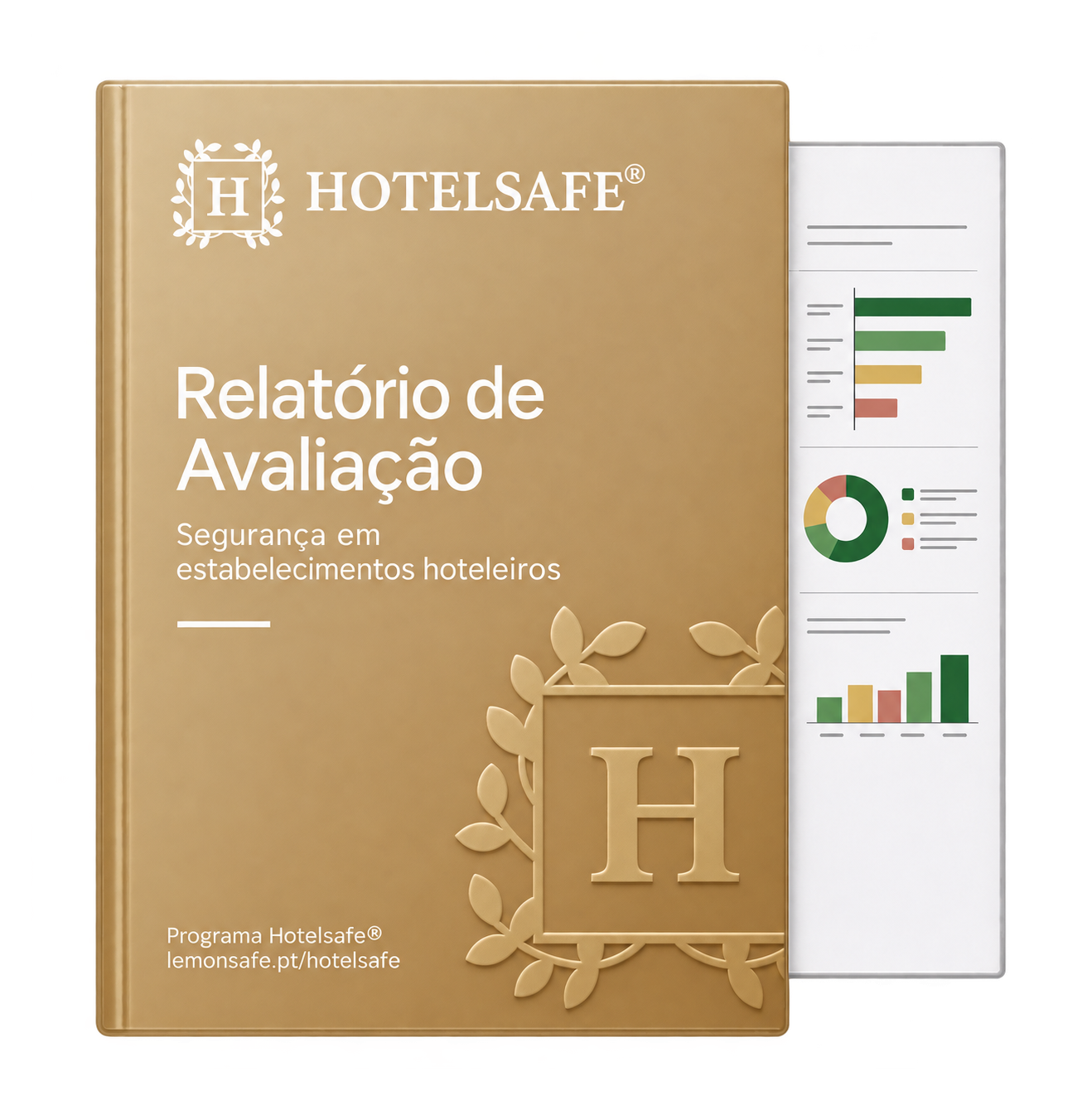
Each evaluation results in a Hotelsafe® Evaluation Report, not accredited by IPAC. Any future recognition will depend on the formal approval of the program regulations, including criteria, decision rules, scope, validity, complaints, suspension, and withdrawal.
Are you looking to conduct a structured assessment of the overall safety conditions of your hotel unit?
Contact Lemonsafe® to define the scope of the Hotelsafe® Programand to learn about the necessary documentation for the evaluation.
Get a free quote
We will be brief in your return.